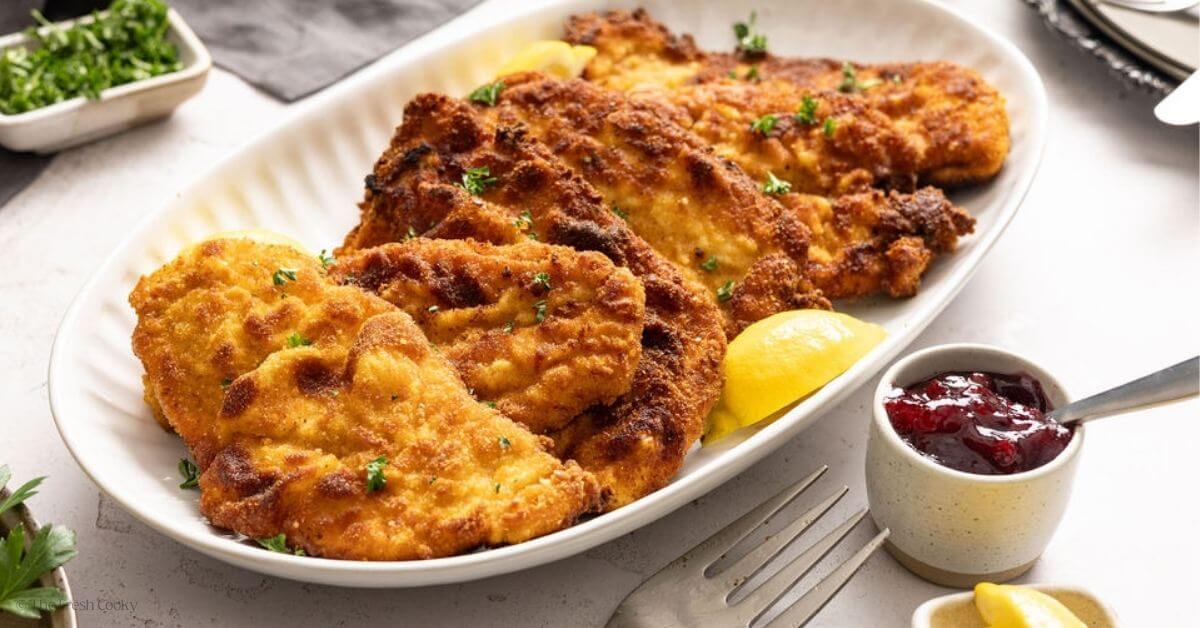
Authentic Chicken Schnitzel: Unveiling Vienna's Secrets for Crisp Perfection
Few dishes evoke the warmth and comfort of home quite like a perfectly cooked schnitzel. While its German name often conjures images of rustic taverns, the quintessential schnitzel has deep roots in Viennese culinary tradition. However, the true "Wiener Schnitzel" is famously made with veal. Yet, in homes across Austria and Germany, a different cutlet has stolen the spotlight: chicken. This beloved variation, known as chicken schnitzel, delivers the same satisfying crunch and tender interior, often preferred by locals for its accessibility and comforting appeal. Far from being a lesser imitation, authentic chicken schnitzel, when prepared with a few key Viennese insights, transcends the ordinary, becoming a golden, crisp masterpiece ready in under 30 minutes.
What makes a chicken schnitzel truly exceptional? It's not about complicated techniques or exotic ingredients. Instead, it lies in mastering a handful of simple, yet profound, details that elevate it from merely fried chicken to a delicate, balanced culinary delight. These are the very secrets shared by local chefs in Vienna, transforming a humble chicken breast into a dish that makes families hover expectantly in the kitchen.
The Viennese Revelation: Unlocking Schnitzel Perfection
My journey to schnitzel enlightenment began in Vienna, under the tutelage of a local chef whose insights revolutionized my approach to this classic. Her wisdom, refined over generations, revealed that the secret to a light, crisp, and never-greasy chicken schnitzel isn't complicated at all, but rather hinges on two crucial, often overlooked, steps.
The "Knock-Off" Secret: A Game Changer for Crispness
The first revelation was remarkably simple: the importance of knocking off excess flour and breadcrumbs before frying. This seemingly minor action dramatically impacts the final texture and quality of your schnitzel. When you coat the chicken, it's natural for some of the dry ingredients to cling loosely. If these excess particles make it into the hot oil, they can quickly burn, creating an unpleasant taste and appearance. More importantly, they absorb extra oil, leading to a heavier, greasier schnitzel.
By gently but firmly tapping off the excess, you ensure only the tightly adhered coating remains. This thin, even layer then crisps up beautifully and evenly in the hot fat, forming that signature golden-brown crust without becoming soggy or oily. It's this delicate balance that allows fried food to be "delicate and balanced," rather than heavy. This one small step truly changed everything, transforming my chicken schnitzel from good to genuinely great, consistently delivering that coveted light and airy crunch.
The Salt Solution: Juiciness from Within
The second cornerstone of Viennese schnitzel perfection is the simple act of salting the chicken before the breading process even begins. Chicken breast, by nature, is a lean cut and can easily become dry during frying if not properly prepared. Salting plays a crucial role in preventing this, ensuring every bite of your
crispy, juicy chicken schnitzel is tender and moist.
When you salt the chicken ahead of time, the salt begins to work its magic through a process called osmosis. Initially, salt draws moisture out of the meat. However, over a short period, the salt dissolves in this moisture and is then reabsorbed into the chicken, carrying flavor and moisture deeper into the muscle fibers. This process tenderizes the meat, allowing it to retain more of its natural juices during cooking. The result is a chicken cutlet that stays incredibly juicy on the inside, providing a delightful contrast to its crisp, golden-brown crust. It’s a foundational step that guarantees tenderness every single time, making the most of the chicken's lean nature.
Beyond Tradition: Why Chicken Schnitzel Reigns Supreme in Modern Homes
When discussing schnitzel, the topic of "authenticity" inevitably arises. Traditional Wiener Schnitzel, proudly bearing the name of its city of origin, is exclusively made from veal. Anything else, strictly speaking, is not a Wiener Schnitzel. However, culinary traditions evolve, especially within the comfort of home kitchens. My Viennese instructor, along with many other locals and friends I visited in Germany, openly admitted their preference for chicken or even turkey cutlets over veal or pork when cooking for their families.
This shift isn't just about convenience; it's about comfort, cost-effectiveness, and a taste that resonates deeply with modern palates. Chicken schnitzel is generally less expensive than veal, making it a more accessible and frequent dinner option for families. It offers a comforting familiarity, and its mild flavor profile makes it a universally beloved dish, even among the pickiest eaters. For many, chicken schnitzel has become a cherished go-to dinner, proving that while it may not be "traditional" in the strictest sense of the word, it certainly captures the spirit and deliciousness of its esteemed predecessor. It’s this blend of tradition, adaptability, and sheer deliciousness that allows
chicken schnitzel to dominate Austrian homes and beyond, securing its place as an enduring family favorite.
Crafting Your Masterpiece: Essential Steps for Golden Perfection
The allure of chicken schnitzel lies in its deceptive simplicity. While the concept of a thin, breaded, fried cutlet is straightforward, achieving that perfect balance of crisp exterior and succulent interior requires attention to detail.
The Perfect Cutlet: Pounding for Tenderness and Even Cooking
It all begins with the chicken breast. Starting with a boneless, skinless chicken breast, ideally around half a pound, is key. Larger pieces can be unwieldy to manage and cook unevenly. The next crucial step is pounding the chicken thin. Place the chicken breast between two sheets of plastic wrap or parchment paper and use a meat mallet or a heavy-bottomed pan to gently, but firmly, pound it to an even thickness, typically about ¼ inch.
Pounding serves multiple purposes: it tenderizes the meat, ensures incredibly fast cooking (contributing to that under-30-minute meal claim), and creates a large, uniform surface area for the breading. This even thickness is vital for consistent cooking, preventing some parts from drying out while others are still cooking.
The Breading Ritual: Flour, Egg, and Fine Crumbs
The classic schnitzel coating involves a three-stage breading process, each step essential for building that impeccable crust:
1.
Flour: Lightly dredge the pounded chicken in all-purpose flour. This provides a dry surface for the egg to adhere to. Remember to gently tap off any excess flour.
2.
Egg: Dip the floured chicken into a beaten egg mixture. The egg acts as a binder, helping the breadcrumbs stick firmly.
3.
Breadcrumbs: Finally, coat the chicken generously in fine breadcrumbs. While coarser breadcrumbs like Panko offer an incredibly crunchy texture, traditional Viennese schnitzel often uses finer breadcrumbs for a more delicate, uniform crust. This is where the "knock-off" secret becomes paramount – ensure you gently press the crumbs onto the chicken, then shake or tap off any loose excess.
The Fry: Temperature is Key for Golden, Non-Greasy Results
For a truly golden and crisp chicken schnitzel that isn't heavy or greasy, the frying technique is paramount. Heat a generous amount of oil (such as vegetable, canola, or grapeseed oil) in a large skillet over medium-high heat until it reaches around 350-375°F (175-190°C). The oil should be deep enough to partially submerge the schnitzel.
Carefully place one or two schnitzels in the hot oil, ensuring not to overcrowd the pan, as this can lower the oil temperature and lead to soggy results. Fry for just 2-4 minutes per side, or until the schnitzel is beautifully golden brown and crisp. The thinness of the chicken means it cooks very quickly. Once done, transfer the schnitzel to a wire rack set over paper towels to drain any residual oil, allowing it to maintain its crispness.
Serving Your Schnitzel: Traditional Pairings and Modern Twists
A perfectly cooked chicken schnitzel is a meal in itself, but it truly shines when paired with traditional accompaniments. In Austria, it's almost always served with a simple lemon wedge, whose bright acidity cuts through the richness of the fried chicken, enhancing its flavor profile. Other classic sides include creamy potato salad (often made without mayonnaise in Austria), lingonberry jam for a sweet and tart counterpoint, or a fresh green salad.
However, the beauty of chicken schnitzel lies in its versatility. It can be a simple weeknight dinner alongside mashed potatoes and green beans, or part of a more elaborate spread with roasted vegetables and a robust sauce. Regardless of how you choose to serve it, the star of the show will always be that golden, juicy, and incomparably crisp cutlet.
A Timeless Family Favorite
Authentic chicken schnitzel, guided by these simple Viennese secrets, is more than just a recipe; it's an experience. From the satisfying crunch of its golden exterior to the tender, juicy chicken within, it’s a dish that consistently delights and satisfies. Its quick preparation time, combined with its comforting and undeniably delicious nature, makes it a true go-to dinner that consistently brings families together. Embrace these fundamental techniques, and you'll find yourself serving up a chicken schnitzel that rivals any you'd find in Vienna, cementing its place as a cherished family favorite for years to come.