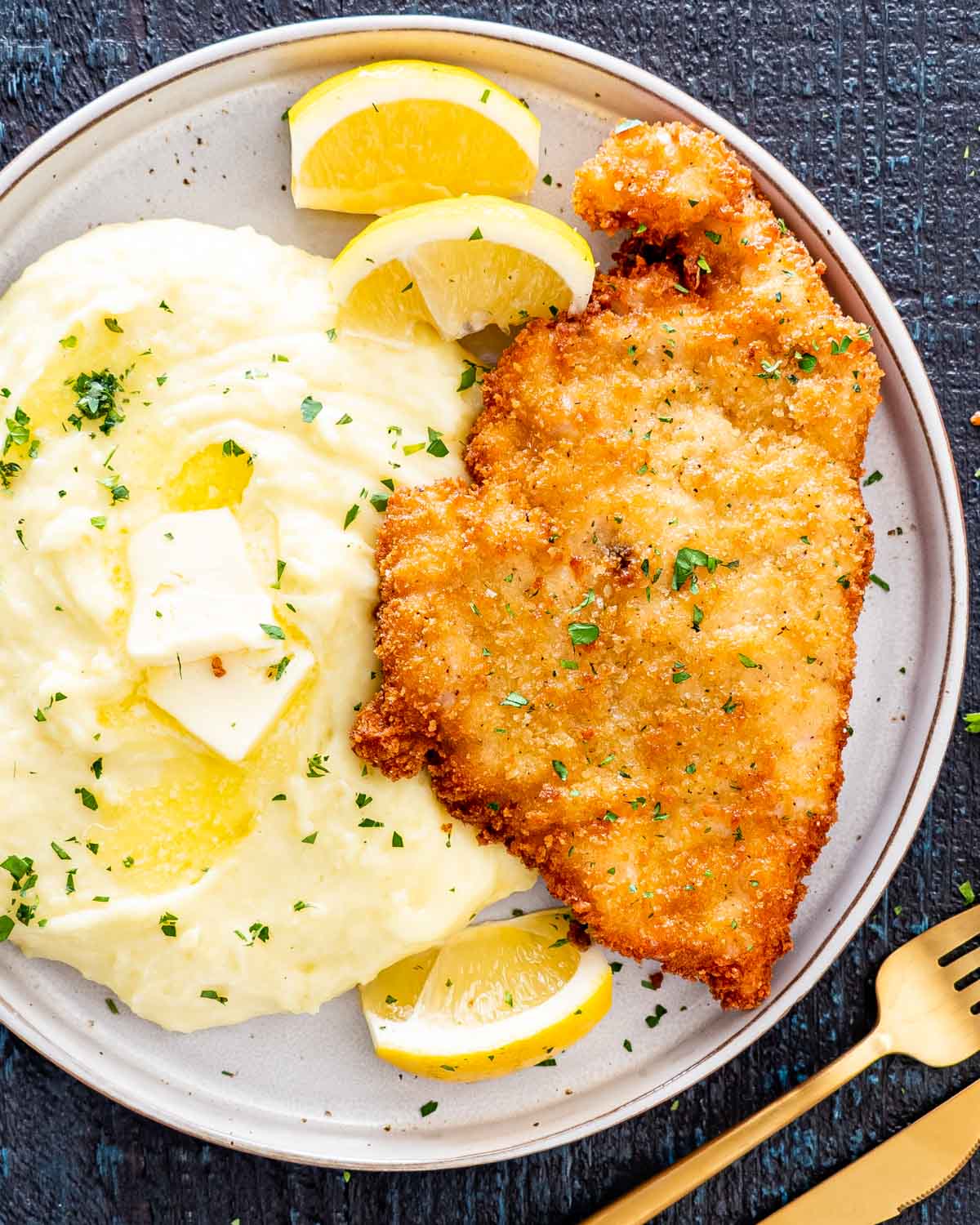
Crispy, Juicy Chicken Schnitzel: Master the Easy 30-Minute Method
Imagine a meal that consistently delivers a perfect balance of crispy exterior and succulent interior, all prepared in under half an hour. That’s the magic of chicken schnitzel, a dish that transcends its humble origins to become a global favorite. For many, it’s a nostalgic bite, a culinary anchor, and for good reason: done right, it’s utterly irresistible. Forget dry, greasy fried chicken – we’re talking about delicate, golden-brown perfection that’s light, satisfying, and ready to become your new weeknight hero.
This article will guide you through mastering chicken schnitzel, revealing the simple yet crucial techniques that guarantee a restaurant-quality result every time. From selecting your chicken to the final pan-fry, we’ll uncover the secrets that make this dish a fast family favorite, promising a delicious, stress-free dinner in 30 minutes.
The Heart of the Matter: What Makes a Perfect Chicken Schnitzel?
At its core, a schnitzel is a thinly pounded, breaded, and pan-fried cutlet of meat. While the world-renowned
Wiener Schnitzel traditionally calls for veal, often carrying the strict legal designation of being made *only* with veal, the culinary landscape has evolved. What many locals in Austria and Germany actually prepare and prefer in their own kitchens, and what you’ll frequently find served, is often chicken or turkey. This preference for chicken or turkey isn't a modern invention; it's a testament to practicality, affordability, and equally delicious results. It offers a comforting, accessible alternative that holds its own against its veal counterpart.
The beauty of chicken schnitzel lies in its deceptive simplicity. It takes a lean chicken breast and, through a specific preparation method, transforms it into a remarkably tender, juicy piece of meat encased in a shatteringly crisp, golden crust. This culinary alchemy is what has cemented its place as a cherished dish in homes from Vienna to your very own kitchen. To delve deeper into its cultural significance and preference in Austrian homes, explore
Chicken Schnitzel: Why This Family Favorite Dominates Austrian Homes.
Unlocking the Secrets: Mastering the 30-Minute Method
Achieving the perfect chicken schnitzel isn't about complex ingredients; it's about mastering a few key techniques. These small details, once learned, transform the dish from good to exceptional, ensuring your chicken stays juicy on the inside with a crisp, never-greasy, golden-brown crust.
1. The Art of Thinness: Pounding Your Chicken
The journey to a perfect schnitzel begins with the chicken breast itself. Start with boneless, skinless chicken breasts, ideally around half a pound each. Any larger, and they can become cumbersome to manage in the pan. The first critical step is to pound them thin.
* **Technique:** Place each chicken breast between two sheets of plastic wrap. Using a meat mallet (the flat side is best to avoid tearing), pound the chicken evenly until it's about 1/4 inch thick. Aim for consistent thinness across the entire cutlet; this ensures even cooking and tenderness. Pounding not only tenderizes the meat but also creates a larger surface area for that delightful crispy coating.
2. The Salting Advantage: Seasoning for Juiciness
Before you even think about breading, salt your pounded chicken cutlets. This might seem like a minor step, but it’s crucial for achieving that consistently juicy, tender interior. Salting the chicken before the breading process helps to draw out moisture initially, which then gets reabsorbed, seasoning the meat from within and enhancing its natural juiciness.
3. The Breading Station: A Triumvirate of Texture
Set up your breading station with three shallow dishes:
* **Dish 1: Flour:** All-purpose flour, seasoned lightly with salt and black pepper.
* **Dish 2: Egg Wash:** Whisked eggs (usually 2-3 for a few cutlets) with a splash of water or milk.
* **Dish 3: Breadcrumbs:** Fine breadcrumbs are traditional for a delicate crust. For an even crisper, airier texture, you might consider Panko breadcrumbs, although they are less authentic to the traditional
Hühnerschnitzel experience.
4. The Viennese Secret: The "Knock-Off" Method
This is arguably the most impactful tip gleaned from Viennese chefs, a simple action that fundamentally changes the outcome:
* **After flouring:** Lightly shake off any excess flour.
* **After egg wash:** Allow any excess egg to drip off.
* **After breadcrumbs:** This is the golden rule. **Gently but firmly knock off any excess breadcrumbs.** The goal is a light, even coating, not a heavy, thick layer. This prevents the breading from becoming greasy and falling off, ensuring a beautifully golden, delicate, and crisp crust. This simple step truly distinguishes a light, professional-looking schnitzel from a heavy, crumbly one. For more insights into traditional methods, check out
Authentic Chicken Schnitzel: Vienna's Secrets for Crisp Perfection.
5. The Sizzle: Pan-Frying to Golden Perfection
* **Oil Choice:** Use a neutral oil with a high smoke point, such as canola, vegetable, or grapeseed oil. You'll need enough oil to shallow-fry, meaning the cutlets should be partially submerged, typically about 1/2 to 1 inch deep in your pan.
* **Temperature is Key:** Heat the oil over medium-high heat until it shimmers and a tiny breadcrumb dropped in sizzles immediately. The ideal temperature is crucial – too low, and the schnitzel absorbs too much oil and becomes greasy; too high, and the breading burns before the chicken cooks through.
* **Don't Overcrowd:** Fry one or two cutlets at a time, depending on your pan size. Overcrowding lowers the oil temperature, leading to a less crispy result.
* **Golden Timing:** Fry each side for 2-3 minutes, or until deeply golden brown and cooked through. The thinness of the chicken ensures it cooks quickly. Once golden, remove from the pan and place on a wire rack set over a baking sheet to drain any excess oil. This prevents the bottom from becoming soggy.
From Family Favorite to Culinary Tradition: The Enduring Appeal of Chicken Schnitzel
The journey of chicken schnitzel from a simple dish to a treasured family tradition is remarkable. For many, like the personal accounts in our reference, it evokes powerful memories – of childhood dinners eagerly awaited, of learning to cook for friends in college dorms, and of continued comfort through adulthood. It’s a dish that fills the home with an "unmistakable scent of frying chicken," creating an atmosphere of warmth and anticipation.
This universal appeal stems from several factors:
* **Comfort Food Status:** It’s inherently satisfying – warm, crispy, and tender.
* **Versatility:** While traditionally served simply, it pairs well with a myriad of sides.
* **Accessibility:** Using chicken makes it an economical and readily available option for home cooks.
* **Global Recognition:** Variations of breaded and fried cutlets can be found in cultures worldwide, a testament to its fundamental deliciousness.
* **Homemade Superiority:** As many experienced cooks will attest, a great homemade schnitzel often surpasses restaurant versions, precisely because you can control the crucial small details that make all the difference.
Beyond the Pan: Serving Suggestions & Variations
A perfectly cooked chicken schnitzel is a star in its own right, but its accompaniments can elevate the experience even further. Traditionally, a squeeze of fresh lemon juice is non-negotiable, cutting through the richness of the fried chicken and brightening every bite.
Popular serving suggestions include:
* **Classic Potato Salad:** A creamy, often vinegar-based potato salad is a staple alongside schnitzel in Austrian and German homes.
* **Lingonberry Jam:** The sweet-tart fruit compote offers a delightful contrast to the savory schnitzel.
* **Cucumber Salad:** A light, refreshing cucumber salad with a dill vinaigrette provides a cooling counterpoint.
* **Fresh Green Salad:** A simple mixed green salad with a light dressing is always a good choice.
* **Parsley Potatoes:** Boiled or steamed potatoes tossed with fresh parsley and butter.
While sticking to tradition is wonderful, don't shy away from experimenting. Try serving your schnitzel with a simple mushroom gravy, a dollop of horseradish sauce, or even a spicy aioli for a modern twist. The beauty of this dish lies in its adaptability.
Conclusion
Mastering the crispy, juicy chicken schnitzel is a culinary journey well worth taking. By embracing the simple yet impactful techniques – from precise pounding and pre-salting to the critical "knock-off" method and proper frying temperature – you’ll consistently achieve a dish that is light, golden, never greasy, and bursting with flavor. In just 30 minutes, you can transform a humble chicken breast into a beloved meal that promises to gather your family around the kitchen, eager for the next batch. So roll up your sleeves, embrace these secrets, and get ready to enjoy one of the most satisfying and enduring comfort foods the world has to offer.